

Amid turmoil at home, Trump administration furthers sanctions against Iran
The move by the Trump administration targets money used by Tehran to fund terrorism and crack down on protests inside the country.

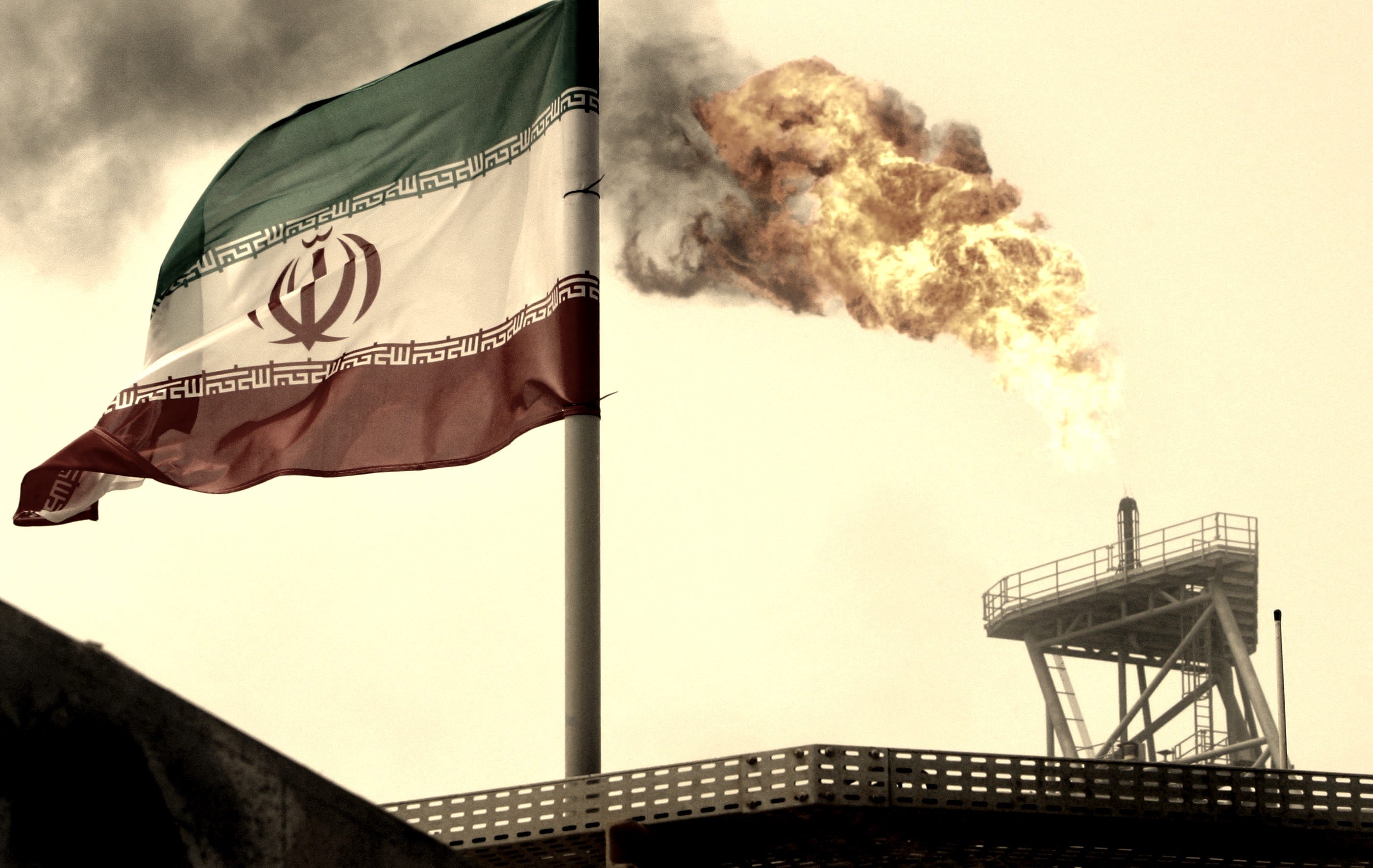
As the Iranian regime cracks down on domestic unrest, The Treasury Department has levied new economic punishments on Iran’s so-called shadow fleet. The sanctions target nine oil vessels and a network of owners and ship managers that U.S. officials say have helped move hundreds of millions of dollars’ worth of sanctioned Iranian oil and petroleum products to overseas buyers.
The Trump administration argues that proceeds from Iran’s shadow fleet are funneled to the government’s security apparatus, weapons programs and regional proxy groups, enabling further repression of anti-regime activities. This comes as the White House faces criticism of its own for aggressive immigration enforcement operations across the U.S. and the use of heavy-handed tactics leading to the deaths of two protesters in Minnesota this month.
Treasury Secretary Scott Bessent said the measures aim at cutting off “a critical component” of Iran’s revenue generation. He vowed to keep tracking funds going towards Iran’s illicit activities.
The sanctions designations, made through Treasury’s Office of Foreign Assets Control, were issued under Executive Order 13902, a directive from Trump’s first term which authorizes sanctions on Iran’s petroleum and petrochemical sectors.
Among the shadow fleet vessels facing new sanctions are the Sea Bird, managed by UAE-based Horizon Harvest Shipping LLC; the Avon, tied to India-based Aayat Ship Management Private Limited; and the Al Diab II, linked to Oman-based Black Stone Oil and Gas. Treasury also named the Cesaria, Longevity 7, Eastern Hero, Aqua Spirit, and two Comoros-flagged ships—Chiron 5 and Keel—as part of the transport network.
The step by OFAC freezes any U.S.-linked assets to the vessels and bars Americans from doing business with them.