

Fresh sanctions hit illicit North Korean businesses tied to nuclear program
The U.S. government described a sophisticated international money laundering campaign aimed at bolstering Pyongyang's nuclear capacity.

The U.S. Department of the Treasury imposed sanctions Tuesday on eight North Korean nationals and two organizations accused of laundering money linked to cybercrime and overseas IT work allegedly used to fund Kim Jong Un’s nuclear weapons programs.
“North Korean state-sponsored hackers steal and launder money to fund the regime’s nuclear weapons program,” Under Secretary of the Treasury for Terrorism and Financial Intelligence, John Hurley, said in an announcement Tuesday. “By generating revenue for Pyongyang’s weapons development, these actors directly threaten U.S. and global security. The U.S. Department of the Treasury will continue to pursue the facilitators and enablers behind these schemes to cut off the DPRK’s illicit revenue streams.”
The designations by the Office of Foreign Assets Control come amid findings from an international monitoring report accusing North Korea of evading sanctions through international cyber operations and foreign IT workers. Through this alleged scheme, U.S. officials said North Korean hackers have stolen more than $3 billion in recent years and evaded sanctions. Most of the money is in cryptocurrency.
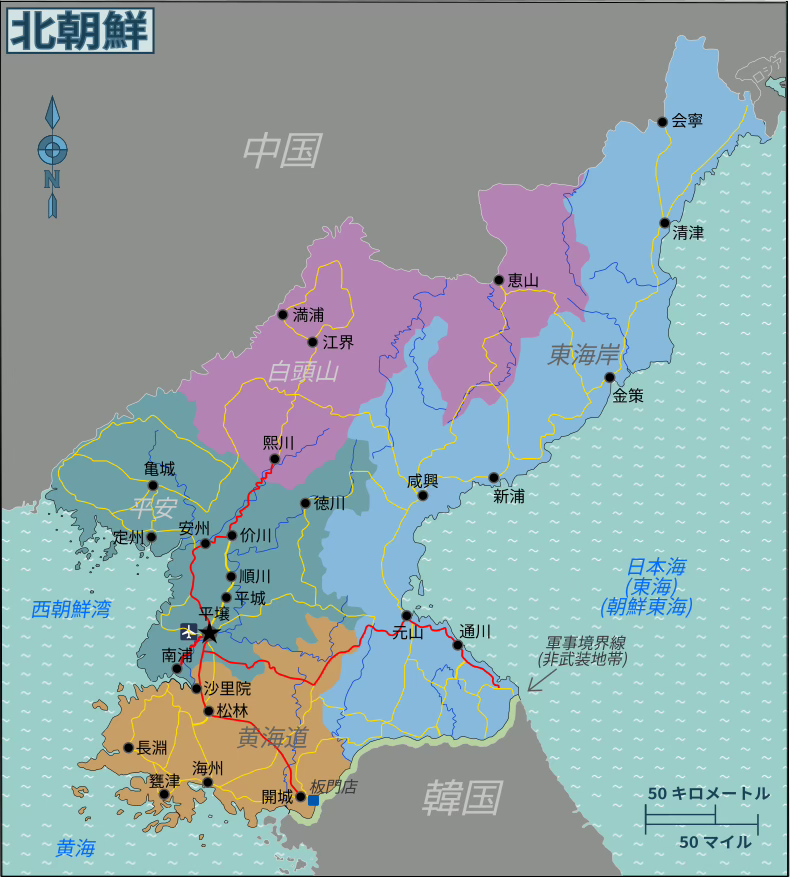
At the head of the operation are bankers Jang Kuk Chol and Ho Jong Son. The U.S. government accuses them of managing millions in digital assets for the already-sanctioned First Credit Bank out of Pyongyang. The U.S. Department of the Treasury’s Office of Foreign Assets Control (OFAC) also targeted the Korea Mangyongdae Computer Technology Company, which American officials say is a criminal North Korean IT firm operating from China. The group’s president, U Yong Su, is also facing sanctions for allegedly using Chinese nationals to disguise the source of illicit funds.
OFAC also added the Ryujong Credit Bank for allegedly facilitating foreign currency transactions between China and North Korea, as well as five North Korean representatives based in China and Russia accused of moving large amounts of dollars, Chinese yuan, and euros on behalf of sanctioned institutions.
Officials said the action underscores U.S. efforts to cut off funding for North Korea’s weapons and ballistic missile programs.