


PROVIDENCE, R.I. — There are few surer signs you’ve made it as a progressive Democrat than getting a call from Rep. Alexandria Ocasio-Cortez after winning your primary. A story in The Washington Post doesn’t hurt either.
That was Thursday for David Morales, a 27-year-old democratic socialist who stunned the political world by winning his party’s nomination in the Providence mayor’s race the night before, defeating incumbent Brett Smiley.
“I’ll certainly say there hasn’t been as much time to digest it,” Morales told Spectrum News.
Providence is just the latest Democratic-leaning city to chose a progressive candidate over the party establishment. (Donovan Lynch/ Spectrum News NECN)
Now, as the Democratic nominee running in Rhode Island’s deep-blue capital, Morales is poised to become the latest progressive mayor of a large American city.
The comparisons to New York City Mayor Zohran Mamdani are irresistible. Both are young and left-wing. Both also won through grassroots campaigning tied to a strong personal brand.
Morales sees the similarities.
“Both Zohran and I share a similar ideology when it comes to always putting working people first, not bowing down to corporate interests, not lowering expectations, but focusing on delivering for the needs of working people all across our respective communities,” he said, adding that “Providence is distinct from New York City.”
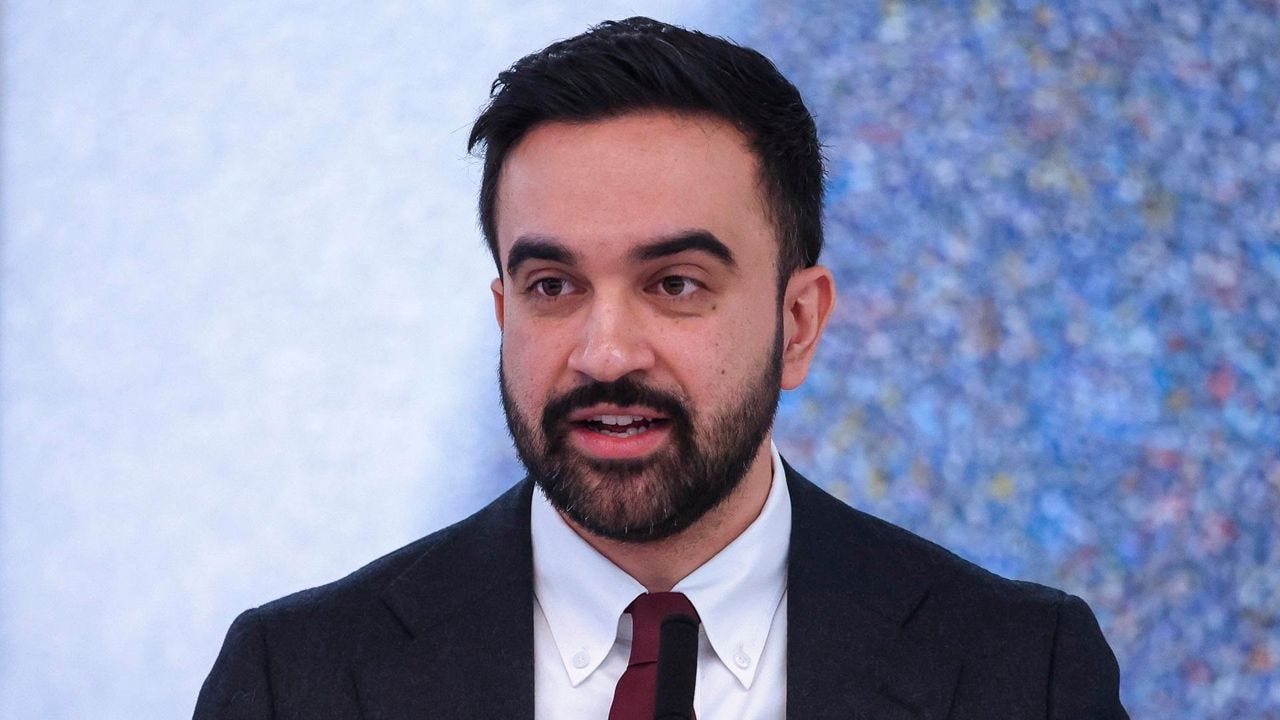
Zohran Mamdani, New York City’s Mayor, offered his support for Morales’ message. (EFE/EPA/SARAH YENESEL)
Morales, like Mamdani, launched his mayoral campaign from the Statehouse, where he serves as the youngest legislator in Rhode Island.
His challenge to Smiley — who took office in 2023 as the second openly gay mayor in Providence’s history — began and ended with a message of civic frustration.
The 27-year-old accused his primary opponent of a “lack of action related to the most pressing issues impacting our neighbors” and charged him with failing to address high housing costs. He has frequently criticized Smiley’s veto of a rent stabilization ordinance the City Council passed in April. “I’m happy to share that our message resonated,” Morales added.
Mamdani agreed. On Thursday, the mayor said that voters clearly supported Morales’ message on housing.
Smiley, at the time, defended his veto, arguing capping rent would discourage development. Smiley’s office declined an interview request from Spectrum News for this story.
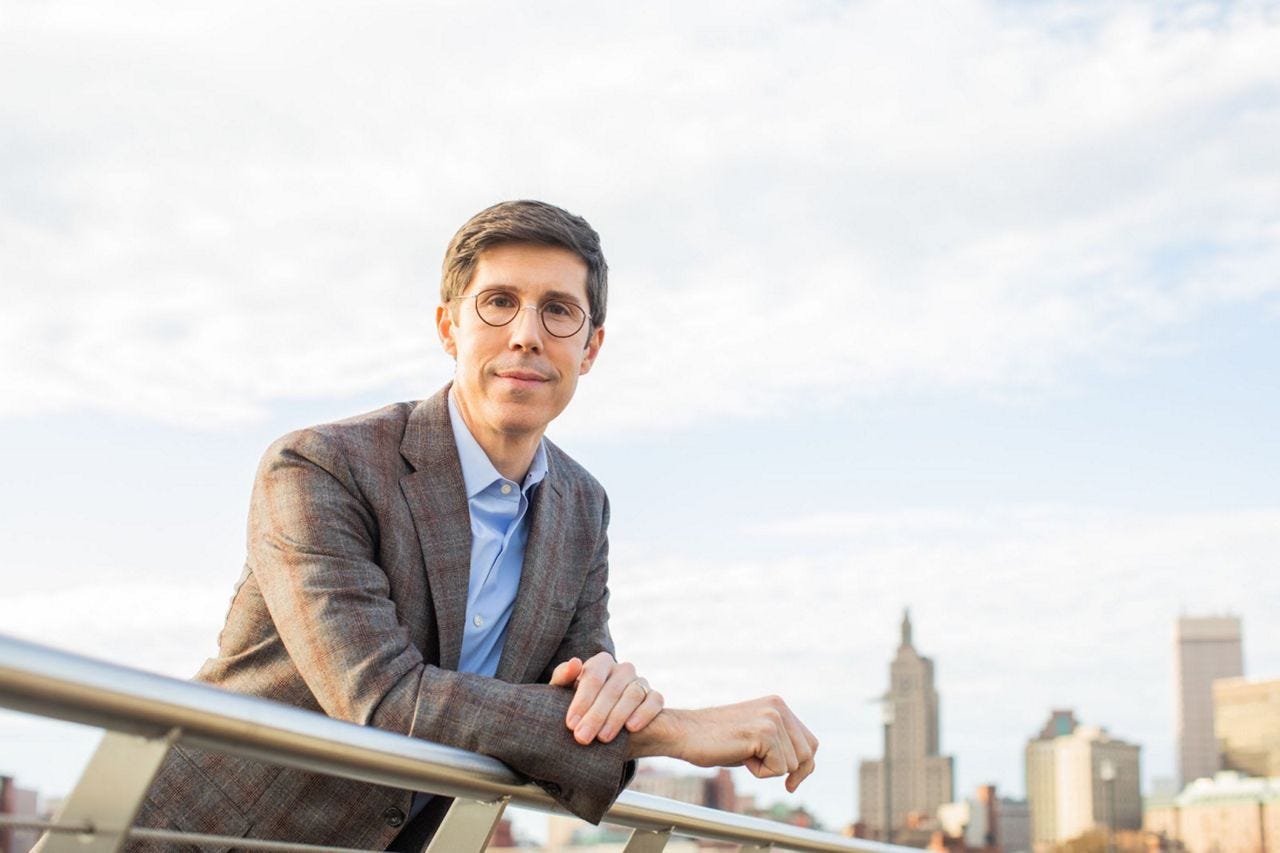
Brett Smiley took office in 2023 as the city’s second openly gay mayor. (City of Providence)
Wednesday’s primary result reflects a larger trend this year of Democratic voters choosing young progressives over older establishment candidates. In Florida, state Rep. Angie Nixon defeated retired Lt. Col. Alex Vindman. Dr. Abdul El-Sayed bested Rep. Haley Stevens in Michigan’s U.S. Senate race, teeing up a competitive general election in November.
In Providence, Morales’ victory came alongside primary wins for several progressive City Council candidates, including Miguel Martínez Youngs, who beat an incumbent supportive of Smiley’s position on rent.
For Rhode Island progressives, it all seems to be coming together.
“I can’t remember a time when the incoming city council and the incoming mayor were so aligned,” Democratic state Rep. Rebecca Kislak said Thursday. “I think that is really exciting and shows tremendous possibility for what we can do in city government.”
But Morales, if elected, will have to navigate another dynamic brought about by Wednesday’s anti-incumbent wave: Helena Foulkes.
Foulkes, a former CVS executive, defeated sitting Gov. Dan McKee in the Democratic primary on Wednesday but didn’t do so from the far left. Instead of adopting the progressive platform of Morales, she presented herself as a private-sector leader uniquely capable of improving the functions of state government.
McKee, who narrowly beat Foulkes in a 2022 gubernatorial primary, labeled her “out of touch” and a “one-percenter.”
On Thursday, Morales opted not to reflect on any policy differences with Rhode Island’s likely next governor.
“I view this as a collaborative relationship,” he said. “I think we’ll be allies when it comes to ensuring that we have a more fair system when it comes to how we fund public schools at the state level.”
Daniel Carrigg, a professor of political science at the University of Rhode Island, noted that Morales has tried to bridge ideological gaps within his party in the legislature.
“Not a heck of a lot of Rhode Island politicians use the democratic socialist label,” Carrigg said. “But he’s been able to work with Rhode Island Democrats from the left to the right of the span of them.”
In a state as small as Rhode Island, Carrigg pointed out, politics are especially insular and driven by personal relationships.
“It’s going to be interesting for folks who think it’s going to be all dogmatic. He’s going to be who he is. He’s going to be left,” Carrigg said. “We’ll see how January comes out.”
For now, one thing is certain to Carrigg: “It’s a pretty notable result in the history of Providence elections.”