

The U.S. quietly lifted sanctions on four Serbian nationalists in Bosnia
The move comes as the pro-Russian president of the Serbian region within Bosnia steps down under fierce pressure.

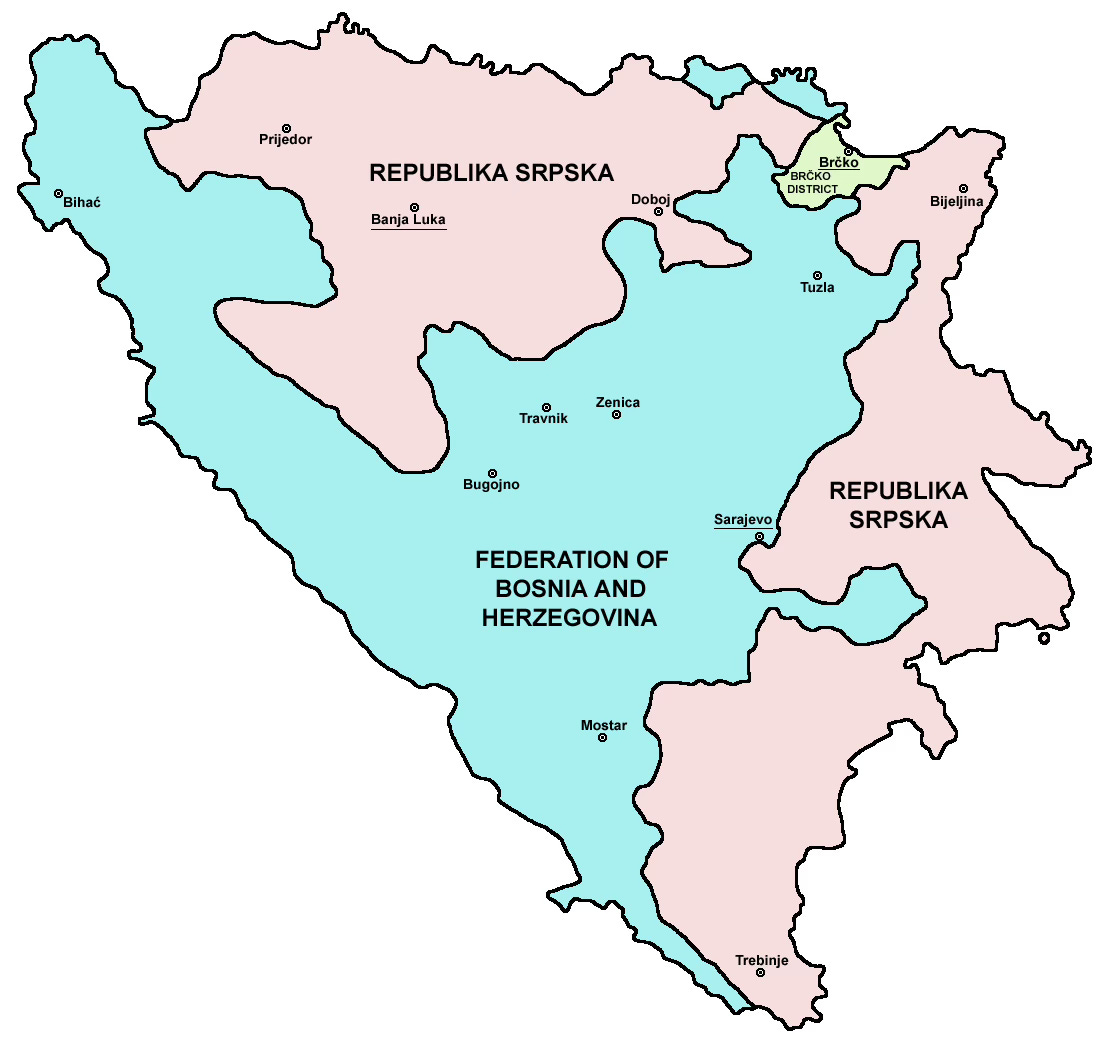
This past week, the U.S. government dropped its economic sanctions against four Bosnian Serb officials closely tied to Milorad Dodik, the now-former president of the Republika Srpska—an ethnically Serbian region within Bosnia and Herzegovina. His sanctions remain.
The four aides—Jelena Pajic Bastinac, Danijel Dragicevic, Goran Rakovic, and Dijana Milankovic—were all originally sanctioned over the past year for actions undermining the Dayton Accords of 1995.
That American-brokered peace agreement ended the Bosnian War, which saw ethnic Serbians fight against Croats and Bosnian Muslims, or Bosniaks. The conflict is perhaps most notable for its widespread atrocities, including the genocide of Bosniaks at the hands of Bosnian Serbs in the town of Srebrenica in 1995.
Dayton’s key framework was a power-sharing setup in Bosnia and Herzegovina, with one entity of the country hosting a Serb government (Republika Srpska) and another under Croats and Bosniaks (the Federation of Bosnia and Herzegovina).
Dodik came into power in 2022. The U.S. originally sanctioned him and his allies for whipping up Serbian nationalist and separatist ideology that many feared would destabilize the fragile peace in Bosnia.
Most notably, this included the planning and celebration of “Republika Srpska Day,” which the nation’s high court has deemed illegal.
For his separatist actions, a court in Sarajevo convicted Dodik in February of breaking the Dayton Accords. He was barred from politics but for many months refused to step down as leader of the Republika Srpska.
Finally last week, Dodik—with his populist flair and “Make Srpska Great Again” hats—left his post.
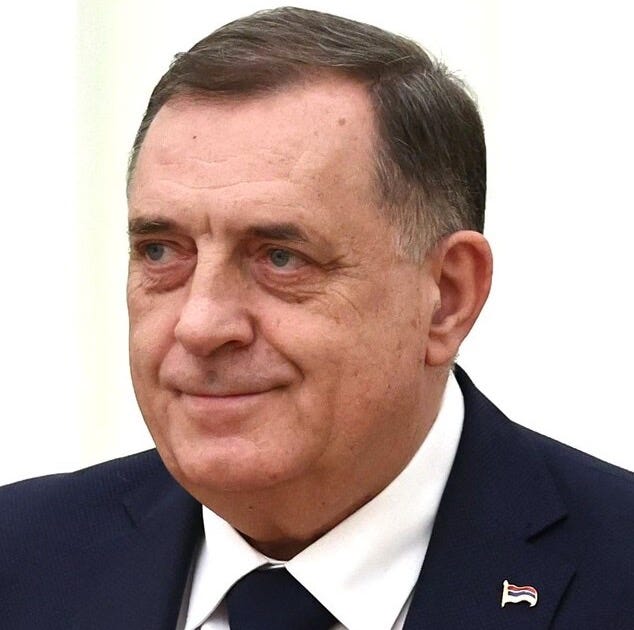
The move coincided with the United States’ decision to halt sanctions it placed on four of Dodik’s allies.
The former president himself still remains sanctioned. He is campaigning to get the economic punishment removed.
The move by the U.S. is curious and complex.
By ending punishment against Dodik’s allies, America is offering a win to a man closely backed by Russia amid negotiations over the Ukraine war.
In September, the Kremlin’s foreign minister, Sergei Lavrov, hosted Dodik in a sign of goodwill as he faced orders to step down. In a press release, Moscow called him the “President of friendly Republika Srpska.”
In many ways, the two men share similar ideologies. One of Russia’s self-proclaimed reasons for invading and holding the Donbas region of Ukraine is that the people who live there are ethnically and linguistically Russian.
For Serbian nationalists in Srpska intent on seceding from Bosnia to join Serbia, the logic is the same: We are the people of Belgrade, not Sarajevo (the capital of Bosnia and Herzegovina).
With President Trump focusing his administration’s attention once more on the war in Ukraine, is this move in Bosnia a sideshow or a bargaining chip?