

Trump used a Biden policy to justify sanctions against the Colombian president
The move highlights a policy overlap that is relatively common in the history of U.S. sanctions, though rare elsewhere.

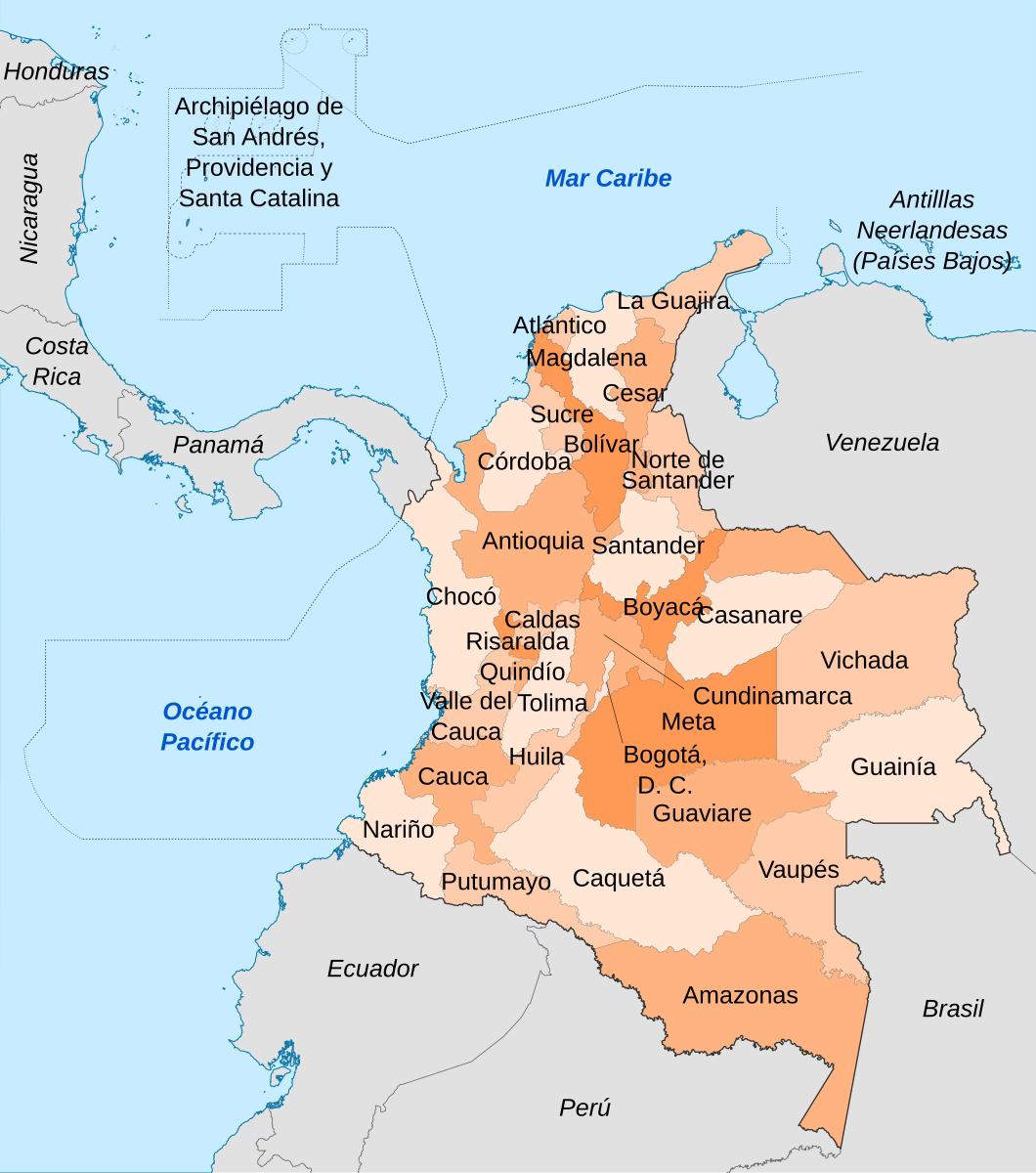
Last week, the Trump administration put forth new economic sanctions against Colombian President Gustavo Petro and members of his family.
Treasury Secretary Scott Bessent spelled out the motive: Petro is allowing drug cartels to “flourish.”
The leftist Colombian president shot back on social media, calling the move by the U.S. paradoxical, highlighting his work to curb narcotics trafficking in the region.
Washington hasn’t come forth with specific evidence to back up its claims. Petro’s assets remain frozen nonetheless.
Behind the headlines, however, there’s a curious story about how the United States implemented last week’s sanctions.
The U.S. government does not use a uniform legal tool to freeze assets of foreigners suspected of crime or other illicit activity. Instead, it relies on a series of different sanctions programs—spelled out in law—that each aim to curb a specific threat — or threats.
Individual programs focus on Iran, transnational criminal organizations, or foreign interference in American elections, for example.
Presidents implement new sanctions regimes and add to those created by their predecessors. The result is something like your phone’s messages app, where you have a bunch of different conversations open that you engage with when you want to.
This sets up an unusual collaboration between presidents of different political stripes—perhaps none more wild than last week’s sanctions, when the Trump administration harnessed the power of a Biden policy to economically isolate Petro.
Biden signed Executive Order 14059 on December 15, 2021. Its goal is to target those involved in the drug trade, specifically as it relates to fentanyl. The terms of the order give the Treasury secretary broad powers to target foreigners who either provide support to the flow of drugs or receive property linked to these illegal activities.
The Treasury Department’s Office of Foreign Asset Control (OFAC) exclusively cited this order as the legal justification for sanctioning Petro and his three allies.
In announcing the sanctions against Petro, the Trump administration accused the Colombian leader of violating the Biden directive by “materially contributing to the international proliferation of illicit drugs or their means of production.”
Of the roughly 100 executive actions taken by President Biden that President Trump has rescinded, EO 14059 remains not only on the books, but in active use.